Forget the Final Cut: Why Your Messy Process Is Your Most Powerful Marketing Tool

There's this unspoken rule in creative circles: only show the good stuff. The polished painting. The final mix. The published chapter with all the embarrassing early drafts quietly buried. It makes sense on paper — you want people to see you at your best, right?
Except here's the thing. The creators who are genuinely building loyal, paying audiences right now? A lot of them are doing the exact opposite.
They're posting the half-finished canvas. The song that fell apart in the second verse. The screenplay note that just says "FIX THIS — it's terrible." And somehow, inexplicably, that's what's making people pull out their wallets.
Let's talk about why.
The Curation Trap Nobody Warned You About
When you spend years building a portfolio — whether it's on Behance, a personal site, or an Instagram grid that looks like a mood board someone died for — you're essentially training your audience to see you as a finished product. Which sounds great, until you realize that finished products are easy to admire and incredibly hard to connect with.
Admiration is passive. Connection is what makes someone buy your print, back your Kickstarter, or pay for your Substack subscription.
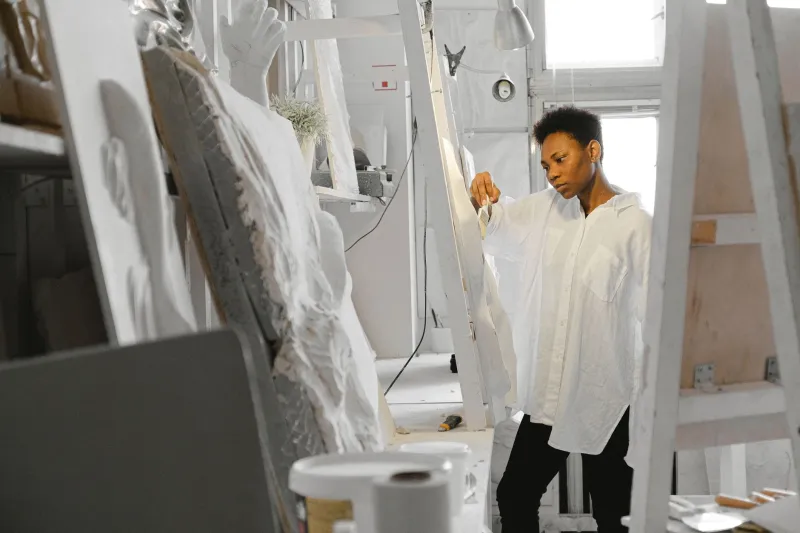
Visual artist and educator Mara Delacroix, who runs a popular YouTube channel documenting her illustration work, put it bluntly in a recent interview: "I spent three years posting only finished pieces. Beautiful stuff, honestly. Got tons of compliments. Almost no sales. The week I posted a video of me completely redrawing a client piece because I hated the first version — that video tripled my Patreon signups in a month."
The difference wasn't quality. It was stakes. Suddenly, people weren't just watching art get made. They were watching someone care deeply enough to start over.
What Audiences Are Actually Hungry For
Here's a cultural moment worth paying attention to: we are living through a full-scale authenticity crisis. Between AI-generated everything, hyper-produced social content, and influencer culture that's been commodified down to the molecular level, audiences are exhausted by perfection.
They're not looking for flawless. They're looking for real.
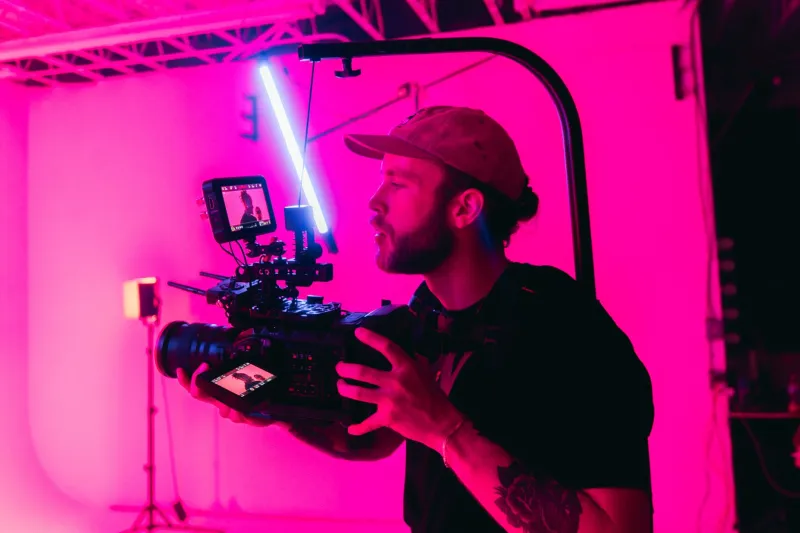
Independent filmmaker Jonah Reyes, who documents his low-budget film productions on TikTok and YouTube, noticed this shift firsthand. "I used to post trailers and finished short films and get like 200 views. Then I posted a video called 'The Day Our Entire Shoot Almost Fell Apart' and it hit 80,000 views overnight. People were tagging their filmmaker friends, leaving comments like 'this is exactly what nobody talks about.'"
That video led directly to a crowdfunding campaign that exceeded its goal by 340%.
The messy middle — the part where you don't know if it's going to work out — is genuinely compelling storytelling. And storytelling is what separates creators who build communities from creators who just have follower counts.
The Neuroscience of "I Get It"
There's actually some brain science backing this up, and it's worth understanding if you want to use it intentionally.
When someone watches you struggle with something they've also struggled with — a creative block, a technical problem, the creeping sense that the whole project might be garbage — their brain lights up with recognition. Psychologists call it "parasocial resonance." The audience stops being a viewer and starts being a witness. A participant, even.
That shift in psychological positioning is enormous for creators. Witnesses feel invested. Participants feel ownership. And people who feel ownership over your creative journey are the ones who show up when you launch something new.
Writer and podcaster Simone Achebe, who writes about the publishing industry, describes it this way: "When I shared the rejection letters I got before landing my book deal — like, the actual letters, with the specific reasons editors passed — my newsletter list grew by 4,000 people in two weeks. Because suddenly I wasn't 'the person who got a book deal.' I was the person who got rejected 27 times first. That's a story people could actually see themselves in."
Practical Ways to Monetize the Messy Middle
Okay, so vulnerability is compelling. But how do you actually turn process content into revenue? A few approaches that are working right now:
Tiered process access. Platforms like Patreon and Substack make it easy to gate your behind-the-scenes content behind a paid tier. Your finished work stays public and acts as marketing. Your process — the rough drafts, the voice memos, the "here's what I'm trying to figure out" updates — becomes the premium offering.
Process-as-product. Some creators have flipped the model entirely, selling the process documentation itself. Think: "Watch me write this novel in real time" as a paid video series, or annotated sketchbooks that show the evolution of a finished piece. The journey is the thing people are buying.
Community around struggle. Discord servers and private communities built around shared creative challenges — not just finished work — tend to retain members longer and generate more word-of-mouth. If your audience feels like they're figuring something out with you, they stick around to see how it ends.
Sponsored process content. Brands, particularly in the creator tools space, are increasingly interested in authentic integration within process content. A video about your actual workflow — including the parts that didn't work — is more valuable to a software sponsor than a polished tutorial, because it feels real.
The One Thing to Get Right
Here's the caveat, and it matters: there's a difference between sharing your process authentically and performing vulnerability for engagement. Audiences can smell the difference, and the latter tends to backfire hard.
The goal isn't to manufacture struggle. It's to stop hiding the struggle that's already there.
Every creative professional has a version of the story Simone, Jonah, and Mara told. The project that nearly broke them. The draft that had to die before the real thing could be born. The moment they almost quit.
You've been sitting on content that could build your most loyal audience yet. It's just been hiding behind the finished work you thought was the point.
Spoiler: it wasn't the point. It was just the proof that the messy middle was worth it.
And honestly? That's the story worth telling.